|
|
|
| AUTHORS | |
    |
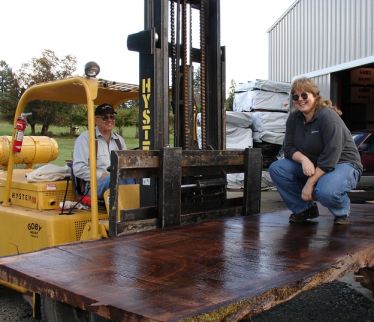 Elizabeth Baldwin
has more than twenty years of international wood sourcing experience. She has visited over a thousand mills in nearly fifty countries producing any possible type of wood product of all sizes and qualities. She is painfully familiar with the documentation requirements for FSC, CARB, LEED and other programs. Elizabeth Baldwin
has more than twenty years of international wood sourcing experience. She has visited over a thousand mills in nearly fifty countries producing any possible type of wood product of all sizes and qualities. She is painfully familiar with the documentation requirements for FSC, CARB, LEED and other programs. Japanese trained, she is a well-recognized consultant in many aspects of international trade, including quality control systems and wood production management. In addition to speaking passable American, she can confuse people in both Spanish and Japanese. Elizabeth says that "I think it's very important that companies do as much as possible in house, rather than hiring consultants or third parties and just dumping the decisions and responsibilities on them. This is too complicated and too important not to have the highest management involved in the final decisions. There are many serious issues here that I think require a real business decision--a decision weighing in everything from corporate culture to out of pocket costs, from potential liability to potential likeliness of actually being targeted. And a wood company should weigh in the issues that only they know, such as why they selected a specific species--it may be cost, but it could also be staining or gluing properties or stability issues or the color or grain. There are so many factors involved in running a business, I don't think an outsider should walk in cold and tell a company what to do. So get informed and make the decisions that are best for YOU, not for your neighbors or not what is off a generalized checklist...." Contact Elizabeth directly
|
|
|
|
|
|
|
|
|
|
|
The Authors in the News |
|
|
Elizabeth is now writing a weekly blog for
the NWFA's magazine, Hardwood Floors, at: www.hardwoodfloorsmag.com/green/blog/ Elizabeth spent a week in July in Guyana doing seminars on the Lacey Act. Various newspapers provided coverage: * www.guyanesenews.com/news/us-introduces-stringent-laws-on-wood-imports * www.stabroeknews.com/2010/news/stories/07/14/forest-exports-under-closer-watch-for-illegal-logging/ * www.kaieteurnewsonline.com/2010/08/30/forestry-commission-increases-awareness-of-lacey-act/ Elizabeth and Leonard both attended the Malaysian Timber Council's Global Woodmart and the associated "Dialogue on Requirement for Timber Legality Verification in the Global Market" where Elizabeth was a panelist for the session "Scenario Projections: Ideas for Compliance." |
|
|
|
|
|
|
| Copyright © 2009, Compliance Specialists, LLC. All rights reserved. |


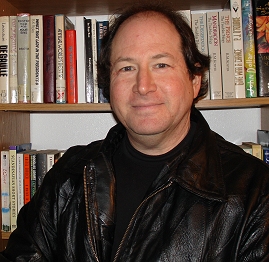 Leonard Krause
has more than twenty years experience in the area of international trade and government relations. He specializes in trade policy and regulations, domestic and international marketing. He is fluent in six international languages
(English, Japanese, Spanish, Chinese, French, Italian), with passing
knowledge of six more, and has the ability to translate “Legalese” and “Bureaucratese” into plain English.
Leonard Krause
has more than twenty years experience in the area of international trade and government relations. He specializes in trade policy and regulations, domestic and international marketing. He is fluent in six international languages
(English, Japanese, Spanish, Chinese, French, Italian), with passing
knowledge of six more, and has the ability to translate “Legalese” and “Bureaucratese” into plain English.